
Nigerian Tribal Stereotypes: Who Is Silly, Sneaky Or Sleazy?
Every Nigerian understands the unspoken social landscape of the country. We routinely use shorthand terms like Aboki, Omo Ibo, and Omoluabi. On the surface,…

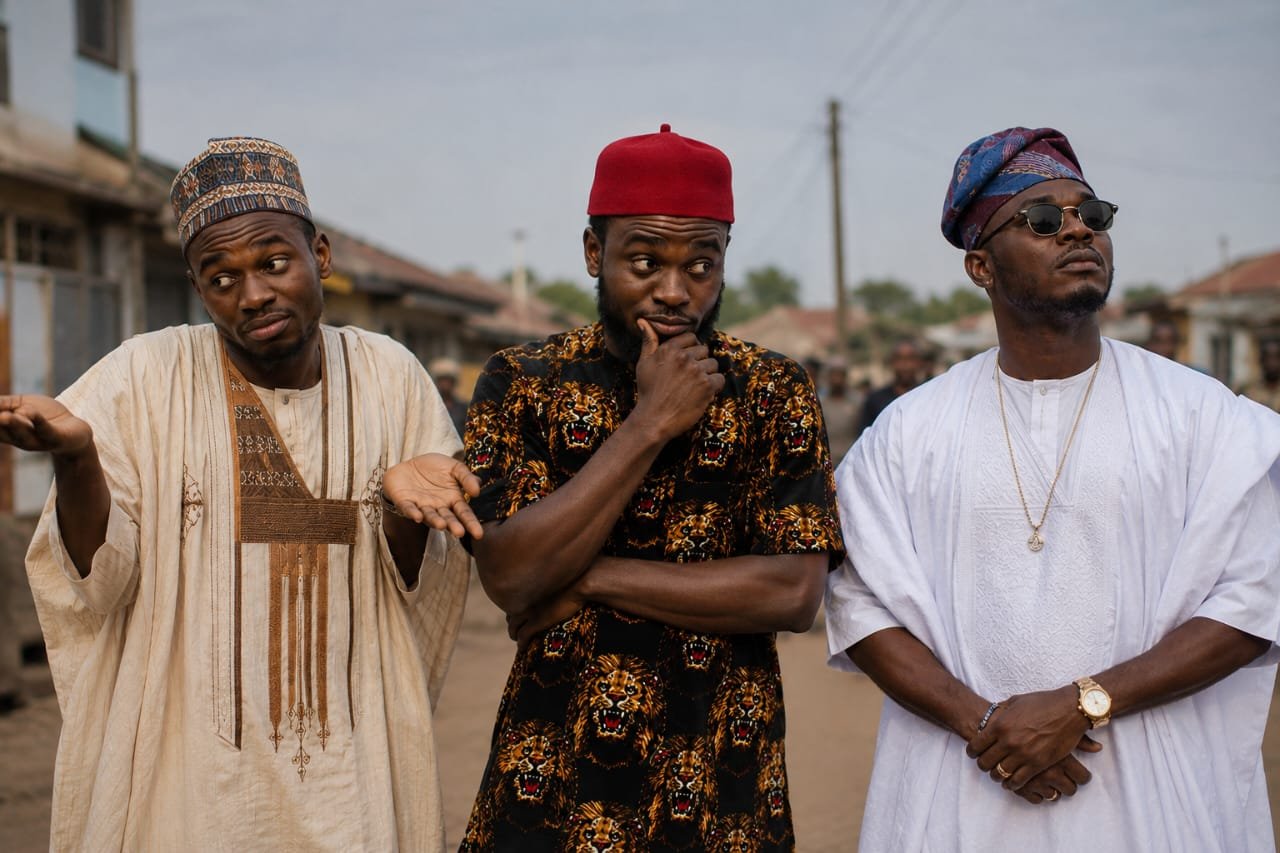
Every Nigerian understands the unspoken social landscape of the country. We routinely use shorthand terms like Aboki, Omo Ibo, and Omoluabi. On the surface, these words represent regional identities and cultural ideals. Beneath the surface, however, society often attaches lazy, weaponized labels to them.
People frequently ask who among these groups is inherently silly, sneaky, or sleazy. We see these debates rage on social media and in casual conversations. Yet, assigning character flaws to entire ethnic groups is a lazy habit. Understanding Nigerian tribal stereotypes requires us to separate cultural conditioning from individual character.
The Danger of Nigerian Tribal Stereotypes
Stereotypes simplify the human experience to an absurd degree. In Nigeria, this simplification often turns harmful. We reduce millions of people from rich, ancient civilizations into flat caricatures. Consequently, we stop seeing individuals and only see tribal templates.
For instance, the media often portrays the Aboki archetype as simplistic or uneducated. People use the word “silly” to describe a language barrier or a modest lifestyle. This perspective is incredibly flawed. Simplicity is not foolishness. In fact, the real foolishness belongs to the observer who confuses a quiet life with a lack of intelligence. Culture shapes our manners, but it does not dictate our IQ.
Silly, Sneaky, or Sleazy? The Truth Behind the Labels
When we look closer at these cultural tropes, we see how easily traits are misinterpreted. What one group calls a survival mechanism, another group brands as a vice. Character flaws are universal human traits, not ethnic features.
The Mislabeled “Hustle”
The Omo Ibo archetype is frequently targeted with the label “sneaky.” Critics often claim that the relentless drive for commerce is inherently transactional or underhanded. However, this perspective completely misses the point. What looks like sneakiness to an outsider is actually strategic foresight and resilience. Survival in a tough economic landscape requires sharp execution. True dishonesty is an individual choice, not an indigenous trait
The Smooth Talker Myth
Similarly, the Omoluabi concept is anchored in deep integrity, prestige, and diplomatic character. Nevertheless, detractors sometimes twist this diplomacy into the word “sleazy.” They claim that the emphasis on outward respect masks a two-faced nature. While individual hypocrites exist everywhere, true Omoluabi values demand genuine honor. The “sleaziness” only creeps in when a person chooses manipulation over honesty.
The Mislabeled Simplicity
The Aboki archetype is the one most frequently targeted with the lazy label of being “silly” or unaligned with modern sophistication. Because the cultural lifestyle often values quiet contentment, modesty, or direct trade over loud self-promotion, outsiders routinely misread it.
However, this is a massive miscalculation. What critics dismiss as “silliness” or a lack of exposure is actually a deep-seated cultural preference for straightforwardness and honor in keeping one’s word. There is a profound difference between a language barrier and a lack of sharpness. True foolishness belongs to the critic who mistakes a quiet, unassuming demeanor for an inability to understand the game.
Moving Beyond the Labels
No single ethnic group holds a monopoly on virtue or vice. A sneaky business partner, a sleazy neighbor, or a silly commentator can come from any geopolitical zone. Human nature is complex, and character is built by personal choices.
Relying on Nigerian tribal stereotypes to judge people is intellectually lazy. It keeps us trapped in an old cycle of division. If we want a more honest cultural commentary, we must retire these outdated biases. We must judge individuals by their actions, not by their accents or ancestral homes.
Which of these cultural stereotypes do you find most exhausting in modern conversations? Let us know your thoughts in the comments below!
0 responses