
Love Him or Hate Him: The Complex Legacy of Ojukwu
Imagine a young man growing up in the heart of southeastern Nigeria. He lived in a world where education, commerce, and culture were highly…

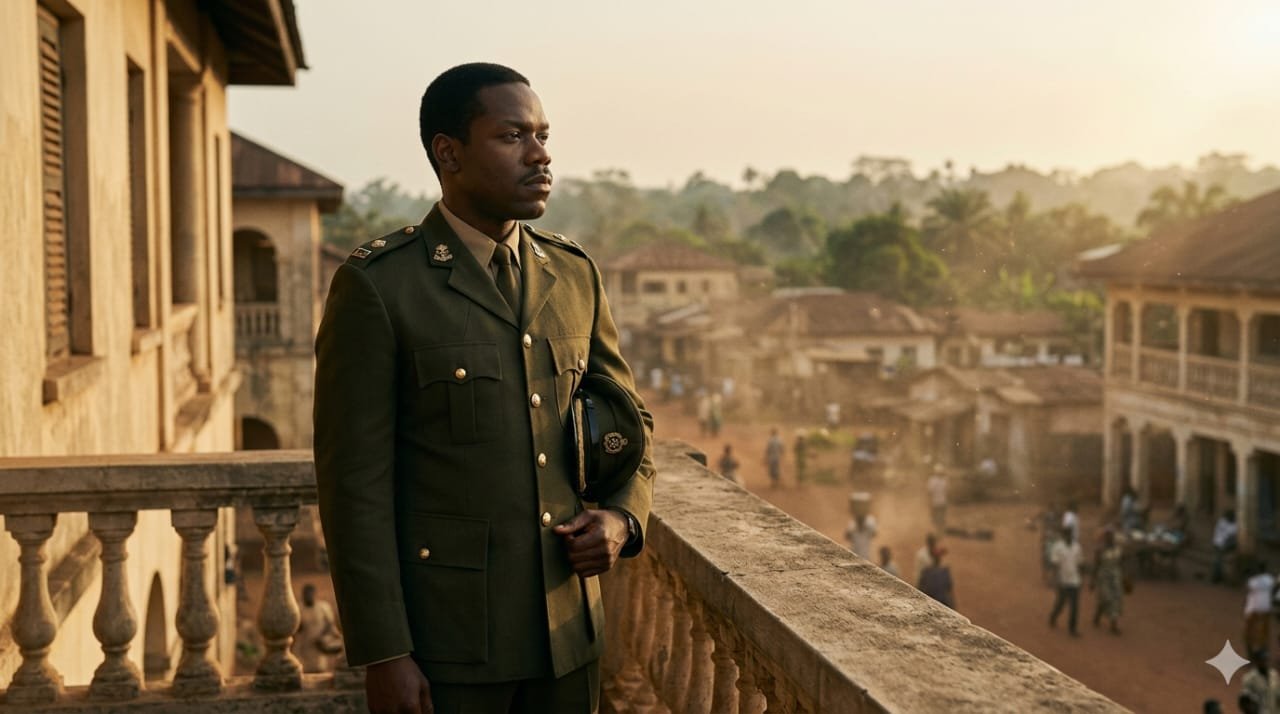
Imagine a young man growing up in the heart of southeastern Nigeria. He lived in a world where education, commerce, and culture were highly prized. However, politics often completely ignored the people around him. That young man was Chukwuemeka Odumegwu Ojukwu. To many, history remembers him as a leader, a rebel, or a controversial figure. But before all of that, he was simply a person. Family, culture, and harsh realities entirely shaped his early life.
Ojukwu’s life was deeply rooted in the Igbo experience. He belonged to a community that valued learning, resilience, and self-reliance. From an early age, he was highly ambitious and intelligent. He was deeply aware of the inequalities his people faced. Therefore, he studied, trained, and positioned himself to act. He did not seek personal fame. Instead, he understood that one man could amplify the voices of millions who had long been overlooked.
A Nation on Edge
By the late 1960s, Nigeria was a nation on edge. The Igbo, like many others, felt marginalized and insecure in a rapidly changing country. Ojukwu stepped into this critical moment with deep conviction. When he declared the Republic of Biafra in 1967, he was not making a distant political calculation. Instead, he gave physical shape to the hopes and frustrations of millions. Consequently, he quickly became the absolute embodiment of their identity, their pride, and their demand for recognition.
Furthermore, Ojukwu was far more than a military officer or a politician. He was a figure of strict principle. He carried the heavy weight of responsibility for his people’s future. Of course, his choices brought massive consequences. The conflict that followed displaced families, scarred communities, and ruined countless lives. Yet, even amid intense controversy, he remained a powerful symbol. His presence demanded attention. His voice forced reflection.
The Humanity Behind the History
In addition, the genuine humanity behind the history makes Ojukwu’s story very compelling. He was ambitious but never arrogant. He was proud but never indifferent. Therefore, to truly understand him is to understand the Igbo people. You see their determination to stand tall in a country that often overlooked them.
Certainly, meeting Ojukwu through history is like meeting someone who embodies both light and shadow. He challenges us to ask very difficult questions. What does leadership actually demand from a person? What does true courage require? How much can one man bear when he becomes the vessel for an entire people?
In conclusion, people view him in completely different ways. He was polarizing, yes. But he was real, and he was human. Above all, he represented something much greater than himself. He stood for the dignity, pride, and unbreakable spirit of a people. They absolutely refused to be invisible.
Let’s Talk About It
This shift affects how we view our history. We want to hear your genuine experience.
- When you look back at history, do you view Ojokwu primarily as a hero or a rebel?
- How do you think hid decisions in 1967 continue to shape modern Nigeria politics?
- What is the biggest lesson leaders can learn from his complex legacy?
Drop your honest opinions in the comments below. Let us keep the conversation respectful and deep!
0 responses