
loneliness in a connected world
It feels almost impossible to stay unreachable these days. Messages flood all day long. Notifications never stop buzzing. Social media constantly shows us what…

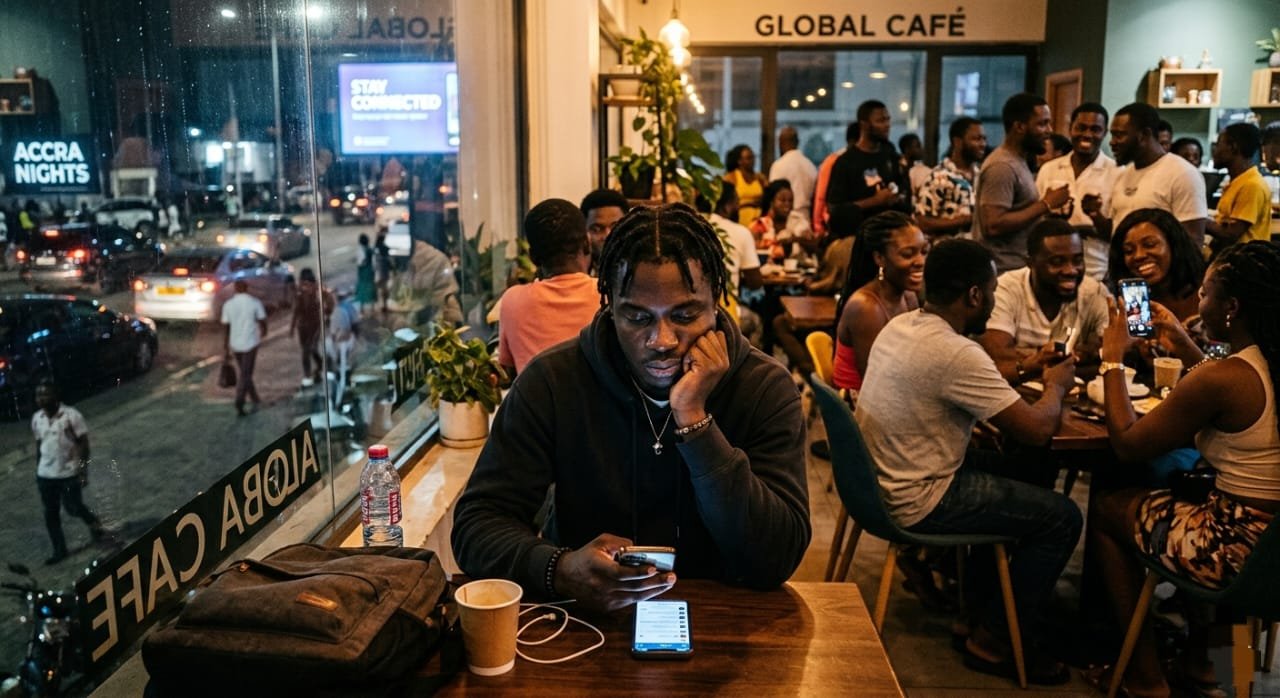
It feels almost impossible to stay unreachable these days. Messages flood all day long. Notifications never stop buzzing. Social media constantly shows us what everyone is doing, where they are going, and how happy they appear. From the outside, it looks like we are always surrounded by people.This is the kind of loneliness no one talks about. It lingers even when people are talking to us. It hides behind busy schedules, group chats, and carefully chosen pictures. We know a lot of people, but only a few truly understand us.
Yet, a lot of us still feel alone.
This is the kind of loneliness that no one talks about. The kind that is still there even when people are talking. The kind that hides behind busy schedules, group chats, and carefully chosen pictures. It feels like you know a lot of people, but only a few really get you.
However, technology has made it easier, faster, and more common to talk to people. People can talk to anyone at any time, maintain relationships across cities and even continents, and send updates right away while receiving feedback in a matter of seconds. But constant communication has not always led to deeper connection.
Many conversations today stay on the surface. We talk about trending topics, daily activities, jokes, or general life updates. These interactions keep us socially active, but they don’t always make us feel close to each other. We can talk to a lot of people every day and still feel like no one really knows what’s going on in our heads.
There is also an unspoken pressure to appear okay. Social media encourages us to present the best version of our lives. We share achievements, celebrations, progress, and positive milestones. We carefully choose what to show and what to keep private. Over time, this creates an environment where everyone appears to be doing well.
It’s hard to say you’re confused, scared, disappointed, or unsure when everyone else looks happy. A lot of people start to believe that they’re the only ones who are having a hard time, but that’s not true. The result is quiet isolation, even in the middle of constant interaction.
Being alone in a world that is connected is more likely to be mental than physical. It’s not always about being by yourself in a room. It means feeling like there is no safe place to talk about what’s really going on inside. It seems like people don’t talk about deep things very often, and being honest feels like a risk.
A lot of people are afraid of being judged, misunderstood, or seen as weak. Instead, they choose to stay quiet. They still talk to people every day, but they don’t talk about the things that really matter to them. Over time, this makes the outside world and the inside world feel like they are getting farther apart.
Another problem is that life today moves quickly. People are busy building careers, managing responsibilities, and trying to stay productive. There are a lot of things to do, but not enough time to do them all. Even when they care about each other, people may not always have the time or emotional energy to keep a meaningful relationship.
Real connection often requires patience, presence, and vulnerability. It means paying close attention, asking smart questions, and making space for honesty. These moments can’t always happen with quick messages or short conversations. They require intention.
A lot of people don’t really want to have more conversations. They want real ones, places where they can talk freely without feeling like they have to impress anyone, and friends who do not mind being honest with each other.
It is important to remember that feeling lonely in a connected world does not mean something is wrong with you. It often reflects how modern communication has changed the way people interact. Convenience has increased, but depth sometimes requires more effort than before.
Creating meaningful connection may involve small changes. It may mean choosing to have honest conversations even when they feel uncomfortable. It may mean checking in on people beyond simple greetings. It may mean being willing to share experiences that are not perfectly polished.
When people feel safe enough to be real, connection becomes stronger. Conversations become more memorable. Relationships become more supportive. The sense of isolation begins to reduce.
The loneliness nobody talks about is more common than it appears. Many people are quietly hoping for deeper understanding and more sincere interaction. Recognising this can help us approach relationships with more openness and patience.
In a world where people are always talking to each other, making a real connection is still one of the best things that can happen to you. It reminds us that being reachable is not the same as being seen, heard, and understood.
0 responses