
Getting There Is Easy. Agreeing on How Is the Problem.

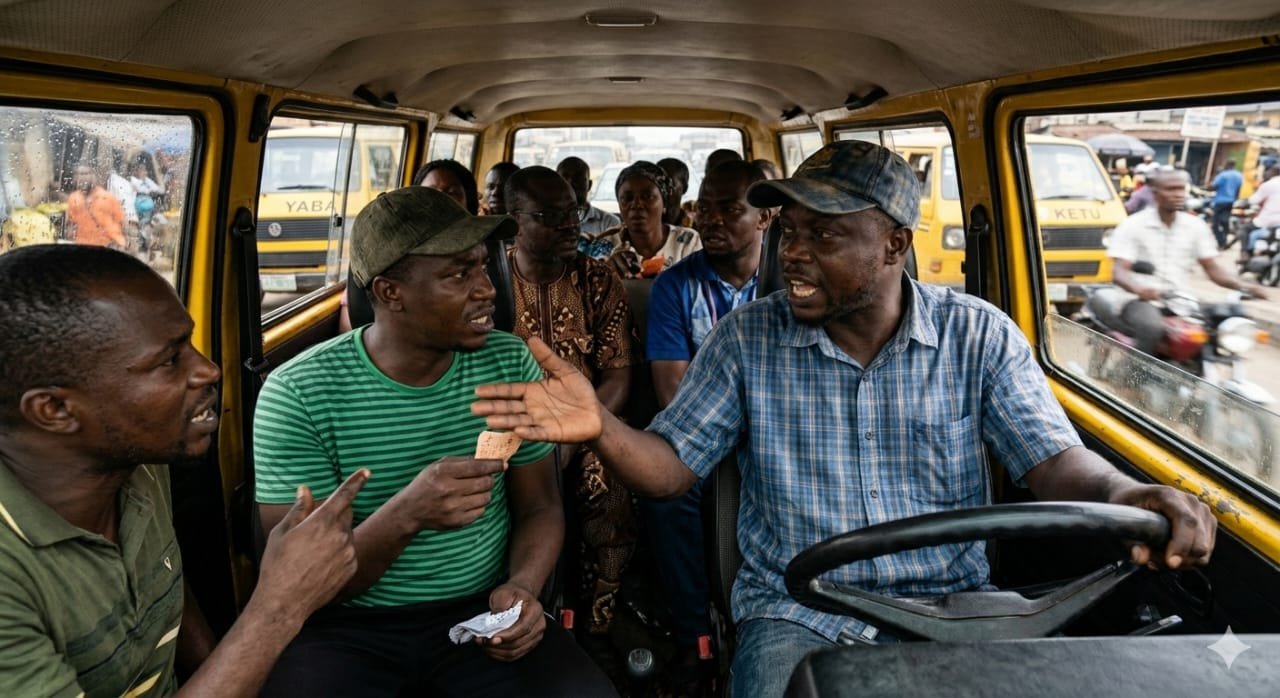
The destination is clear. Everyone knows where they are going. The time has been set. Everyone is already in the car. The engine is on. At this point, the journey should be simple.
Then someone asks, “Are we using express?”
And just like that, everything changes.The car is moving, but tension has already entered. The driver tightens their grip on the wheel. That question is never just a question. It is the beginning of a discussion that has happened many times before.
In many Nigerian homes, the journey does not start with movement. It starts with disagreement.
At first, it may sound like people are only talking about the best route. One person suggests the express. Another suggests a “faster” inner road. Someone else brings up traffic. It feels like a normal conversation. However, it quickly becomes something else.
The issue is not really the road. It is about who gets to decide.
Everyone wants their opinion to matter. The driver believes they understand the road. Another person believes they have better information. Nobody wants to sit quietly and follow a route they do not agree with. So the debate continues, even while the car moves slowly forward.
Then there is the father’s famous shortcut. Every Nigerian father has one. He discovered it years ago, and he trusts it completely. It does not matter if the road has changed or if traffic has taken over the area. In his mind, that shortcut still works.
“Let’s just try this way,” he says with confidence.
The route may take longer, but the decision stands. At that moment, it is not just about reaching the destination. It is about proving that his way still works.
On the other hand, the mother has already checked Google Maps. She knows the traffic situation. She gives a calm and clear suggestion based on what she sees.
“This way is faster,” she says.
But experience quickly challenges her data. The driver may ignore the suggestion at first. Still, as traffic builds, she gently reminds everyone what the map showed. She does not argue loudly. She simply waits for the road to prove her right.
Meanwhile, the children in the back seat stay quiet. They have seen this many times. They know better than to get involved. If they speak, nobody listens. If they insist, someone shuts them down. So they sit back, scroll through their phones, and let the adults handle it.
Their silence is not ignorance. It is experience.
In the end, everyone still arrives at the same place. The route may change, and the journey may take longer, but the destination remains the same.
That is the real lesson.
Getting there is not the problem. Agreeing on how to get there is where the challenge begins.
Because sometimes, the fastest route is not the one with less traffic.
It is the one with less argument.
0 responses