
The Pressure to Stay Strong, Even When It Hurts
Strength is often considered a virtue. People naturally look up to those who stay calm when things get tough, keep going when obstacles get…

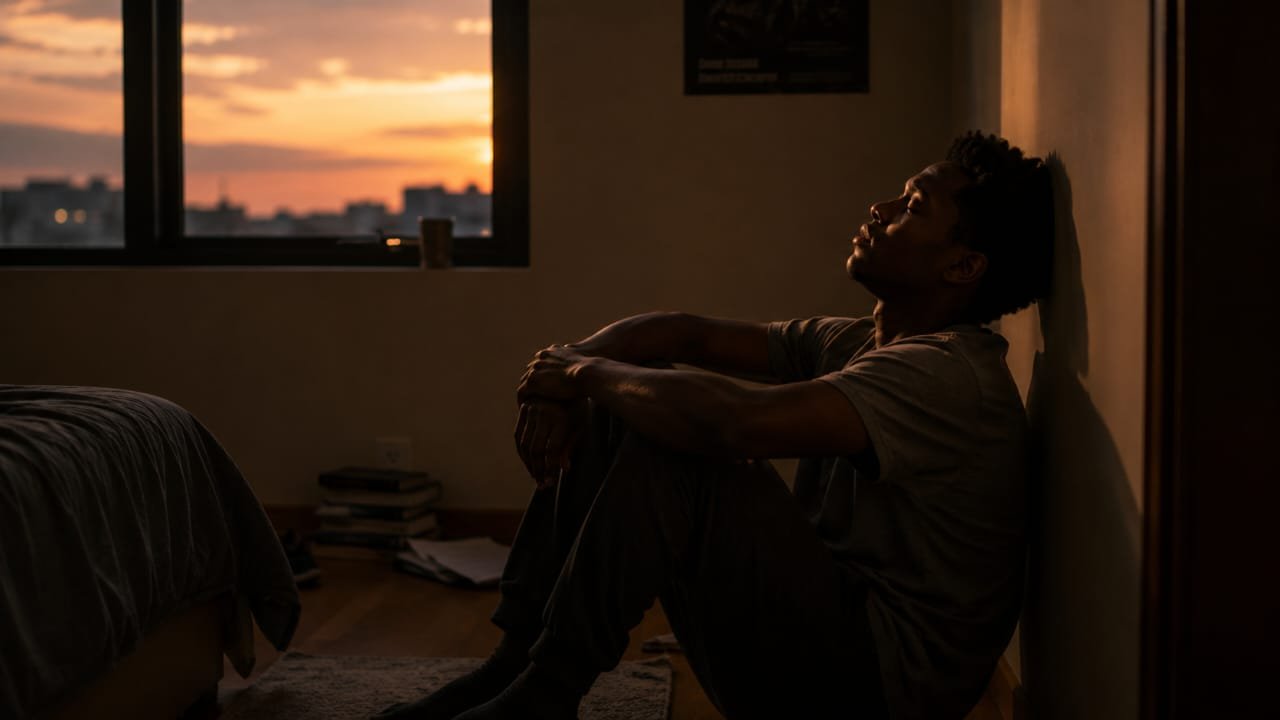
Strength is often considered a virtue. People naturally look up to those who stay calm when things get tough, keep going when obstacles get in the way, and persevere even when life feels completely overwhelming. This brand of endurance is praised in daily conversations, celebrated in our stories, and constantly encouraged in moments of deep hardship.
But there is another side to strength that people do not talk about very often. The internal pressure to stay strong can sometimes become a massive burden in and of itself. We are told to endure, to cope and to keep pushing forward, even when our circumstances feel deeply exhausting. Over time, resilience can easily stop feeling empowering and start feeling like an unyielding obligation that cannot be questioned.
The Performance of Being Unshaken
Many people learn early in life that showing genuine vulnerability can lead to judgment, dismissal, or profound discomfort from those around them. As a direct result of this conditioning, they begin to manage their deepest difficulties entirely in private. They continue to perform their daily responsibilities, meet heavy expectations,even when they feel mentally or emotionally underwater.
This behavior is reinforced by a society that consistently celebrates those who appear completely unshaken by adversity. Well-intentioned phrases like “stay strong” and “keep pushing” are routinely offered as encouragement. However, while these words are meant to comfort, they can also create a silent, damaging impression that struggling openly is a sign of personal weakness.
Consequently, people begin to believe that they must always present themselves as capable, composed, and in total control. They feel an intense pressure to recover quickly from disappointment, to adapt instantly to massive change, and to continue producing results regardless of the emotional cost.
The Toxic Turn of Unsupported Resilience
The core problem is not resilience itself, as the ability to adapt and move forward is undeniably valuable. The true difficulty arises when resilience is expected without support, without rest, and without basic understanding. When people feel they cannot safely express their difficulties, they internalize their struggles.
Furthermore, constantly suppressing stress does not eliminate it. Instead, it simply delays the recognition of how deeply a situation is affecting a person. Over time, this unacknowledged strain quietly erodes motivation, concentration, personal relationships, and overall well-being.
There is a vast difference between choosing to be strong and feeling required to be strong. Choice allows room for basic honesty, whereas obligation completely removes that flexibility. When strength becomes an absolute expectation at all times, people feel they have no acceptable alternative response. In many environments, individuals are heavily rewarded for their endurance but rarely supported through their actual difficulties. Effort is noticed, but the emotional price tag is completely ignored, leaving people feeling valued for their work output but not for their health.
Redefining True Strength
This heavy expectation makes it hard to ask for help. People worry about how others will perceive them. They fear appearing incapable, unreliable, or less competent.
However, acknowledging a difficulty does not take away your strength. Instead, it reflects deep self-awareness and honesty. Recognizing your limits helps prevent total exhaustion. It allows you to respond to challenges in a much healthier way.
Resilience is only sustainable when you have real support. People cope much better when they feel understood. They need time to rest. They must be allowed to process experiences without pressure to look perfectly fine.
Ultimately, strength is not measured by how much you can endure. It is measured by how you care for yourself during difficult periods. Resilience without compassion simply isolates people. Allowing space for honesty reduces the pressure to look unaffected. It transforms resilience from a tool for survival into a pathway for real growth.
Strength remains important, but it should never become a silent requirement. Sometimes, the most meaningful progress begins when we are allowed to be human first.
Have you ever felt trapped by the expectation to “stay strong” for the people around you? How do you give yourself permission to step back and rest? Let’s share our thoughts in the comments below.
0 responses