
The sunk cost of the road you know doesn’t work.
You leave the house at 6:45 AM. It is not because that is when you need to leave. Because if you leave at 7:00…

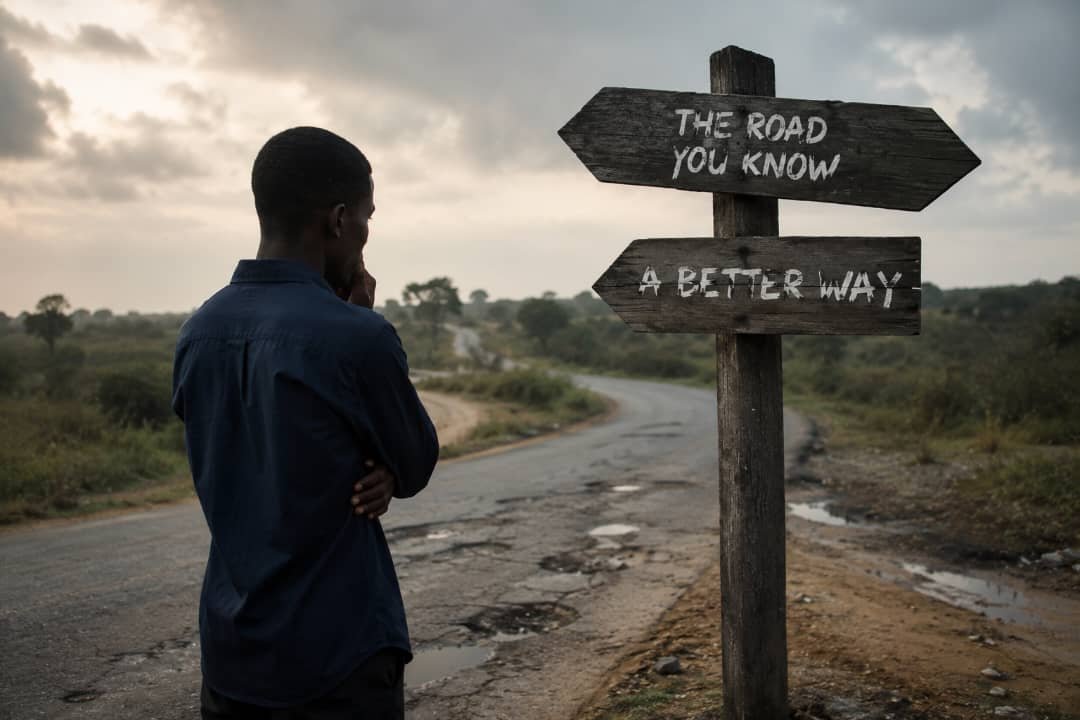
You leave the house at 6:45 AM. It is not because that is when you need to leave. Because if you leave at 7:00 AM, you will hit the traffic on that stretch. You will spend an hour watching the same danfo bus make the same aggressive lane changes in front of you. It will feel like the forty-seventh consecutive morning.
Except you still hit the traffic. You also left at 6:45 AM yesterday, and the day before that. The adjustment you keep meaning to make never quite happens. Leave at 6:15 AM, try the Oregun route, or take that back road someone mentioned once.
Tomorrow you will tell yourself again that you should try something different. Tomorrow you will probably still take the same road. You already know this road does not work, yet you keep taking it anyway. Welcome to the sunk cost fallacy examples we create in our daily lives.
What Is a Sunk Cost Actually?
A sunk cost is something you have already spent that you cannot get back. It could be time, money, effort, or emotional energy. Once it is gone, it is gone forever. The trap is what happens next. Instead of accepting the loss and making a better decision going forward, we keep investing.
It sounds like logic, but it is actually the opposite. You think about how you have been taking this route for two years. You know it well. You have already suffered through it. Changing now feels like admitting those two years were wasted. However, continuing does not redeem those two years. It only adds a third.
Where This Shows Up Everywhere
The road is the easiest example because the stakes are small. Consequently, the same thinking appears in places that matter much more. Look at the habits, careers, and dynamics we hold onto tightly.
- The Stagnant Job:The job you have stayed in for four years. It does not grow you, and the salary barely moves. Every Sunday night you feel the same heavy dread, but leaving feels impossible because you already spent four years here.
- The Broken Relationship: The relationship that quietly stopped working a long time ago. The arguments are repetitive, and the affection feels forced. Ending it feels like erasing everything that came before.
- The Failing Business: The business idea you keep pushing long after the signals are clear. The market is not responding, but you keep spending money to justify past expenses.
In each case, the past is quietly controlling the present. The decision is no longer about what works now. Instead, it is about justifying what you have already spent.
Finding the Cheaper Exit
The faster road exists, and you have probably known it for months. The reason you have not taken it is rarely about the road itself. It is about familiarity, inertia, and the small discomfort of admitting a pattern was wrong.
Changing direction always feels expensive at first. Furthermore, it almost always costs less than continuing a mistake. These sunk cost fallacy examples keep people on bad roads, in bad jobs, and in bad relationships. We stay not because the future looks promising but because the past feels too expensive to abandon.
The time you already lost does not justify losing more. Cut the loss and take another road. Tomorrow morning you could leave at 6:15 AM and take the Oregun road. It will feel unfamiliar for about ten minutes, but then you will arrive earlier than usual. You will wonder why you stayed stuck on the old route for so long. The road you have always taken is not the one you have to keep taking.
What “bad road” are you currently driving on just because you’ve been on it for so long? Share your thoughts and experiences in the comments below!
0 responses