
How Afrobeat Became The Most Powerful Passport a Nigerian Can Have
There was a time when the most valuable Nigerian passport was a visa stamp. Now, things have shifted. Press play anywhere in the world,…

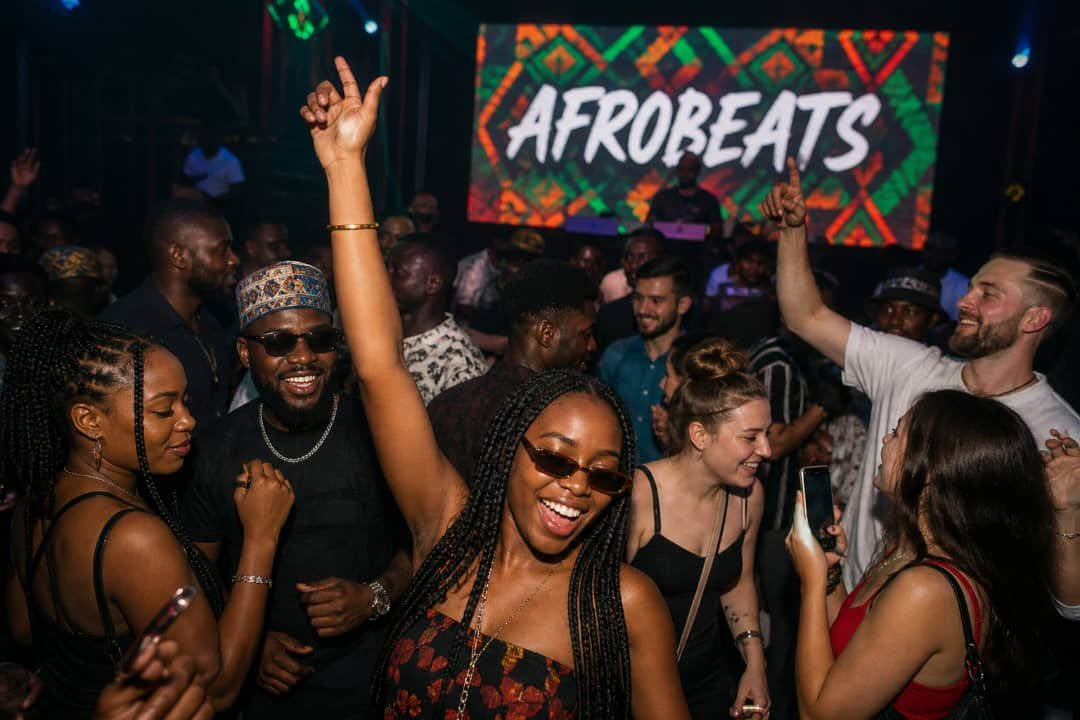
There was a time when the most valuable Nigerian passport was a visa stamp.
Now, things have shifted.
Press play anywhere in the world, and watch what happens. The moment Afrobeats comes on in a foreign club, the atmosphere changes. Nigerians straighten up. Energy rises. Even silence turns into presence.
Clearly, something bigger than music is happening.
From Oil to Vibes: A New Kind of Export
For decades, Nigeria was defined by oil, politics, and headlines that rarely told the full story. However, a different narrative has quietly taken over.
Afrobeat did not wait for validation. It did not request permission. Instead, it moved with confidence and clarity. The sound traveled through speakers, crossed borders, and settled into global spaces.
As a result, Nigeria began to be associated with rhythm, movement, and culture.
When Burna Boy fills stadiums across Europe, or when Wizkid performs to crowds that sing every lyric, the message becomes obvious.
We did not cross into their world.
They stepped into ours.
The Rise of Cultural Confidence
Interestingly, Afrobeat has changed how Nigerians carry themselves abroad.
Before now, identity sometimes came with explanation. Today, it comes with recognition. A simple mention of Nigeria often leads to excitement rather than confusion.
This shift did not happen overnight.
Instead, it grew from consistent visibility. Songs were streamed globally. Dance challenges spread quickly. Collaborations increased. Gradually, a cultural presence was established.
Because of this, Nigerians now move with a different kind of confidence.
Every Nigerian Became a Cultural Ambassador
Afrobeat have turned ordinary moments into opportunities for connection.
For instance, a simple Uber ride abroad can become a conversation. Once the driver recognises a Nigerian song, the atmosphere softens. Suddenly, familiarity replaces distance.
Similarly, in social spaces, Afrobeat create instant belonging. A club that once felt unfamiliar now feels accessible. The music provides entry.
Even in academic settings, the impact appears. Discussions shift. Questions arise. Explanations follow. Without preparation, Nigerians find themselves representing culture, language, and meaning.
In each case, music opens the door.
The Club, The Classroom, The Conversation
Different environments now respond differently to Nigerian identity.
In clubs, Afrobeat dominate the mood. Movement becomes universal. People follow the rhythm, even when they do not fully understand it.
In classrooms, the tone changes. Curiosity replaces distance. Cultural interpretation becomes necessary.
In conversations, identity gains weight. Saying “I’m Nigerian” now carries a different energy.
As a result, presence becomes easier.
Soft Power in Motion
Afrobeat represent more than entertainment.
It represents influence.
Unlike traditional power, this influence is not enforced. Instead, it is accepted. People choose to listen. They choose to engage. They choose to participate.
Because of this, the impact spreads naturally.
Weddings abroad now feature Nigerian songs. Dance floors include movements that originated in Lagos. Even language travels, as slang becomes globally recognised.
This is soft power at work.
How Consistency Built Global Attention
This level of influence did not appear suddenly.
Nigerians carried the sound everywhere. Songs were played repeatedly. Online conversations amplified visibility. Cultural pride remained strong.
At the same time, artists remained consistent. Releases continued. Performances expanded. Collaborations increased.
Over time, global attention followed.
Now, international artists reach out instead of waiting. Partnerships happen without hesitation.
The balance has changed.
More Than Music: A Cultural Movement
Afrobeat have extended beyond sound.
Fashion has followed. Dance has followed. Language has followed. Attitude has followed.
Each element reinforces the other.
As a result, Nigeria is no longer seen through a single lens. Instead, it is experienced through culture.
That shift matters.
What a Passport Cannot Do
A passport grants access.
Afrobeat create connections. One allows movement across borders. The other removes the feeling of distance entirely.
A visa can be delayed. A song cannot.
Because of this, perception changes faster than policy.
Final Reflection
For years, Nigeria was described through limitation.
Now, it is recognised through expression.
Sound travels. Energy spreads. Identity becomes visible.
That is influence. Because sometimes, power is not about permission.
Sometimes, it is about presence. And right now, Nigeria’s strongest passport does not sit in an office.
It plays through speakers.
And the world is already moving to the rhythm.
0 responses