Soft Life Looks Effortless Online
Soft life looks beautiful from a distance.
That is part of the appeal.
You open Instagram or Tik Tok and immediately see brunch in Lekki, yacht pictures at sunset, luxury staycation, matching pajamas, skincare routines, and captions about “protecting peace.”
Everything looks calm.
Everything looks easy.
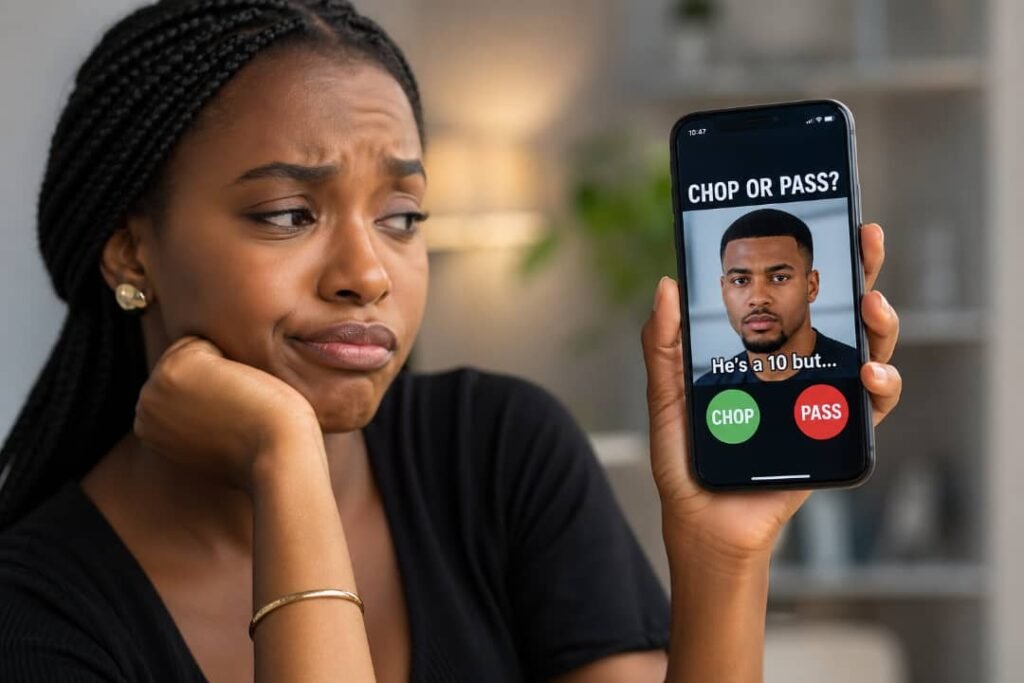
Meanwhile, somebody somewhere is calculating transport fare before liking the post.
That is the interesting part about the soft life trend. It is designed to look effortless. The lifestyle appears gentle, polished, and emotionally stress-free. However, behind many of those carefully curated moments is a level of planning, spending, pressure, and exhaustion that social media rarely shows.
Because peace in this economy is not free.
Soft Life Has Become A Full Aesthetic
At this point, soft life is no longer just about comfort.
It has become a visual identity.
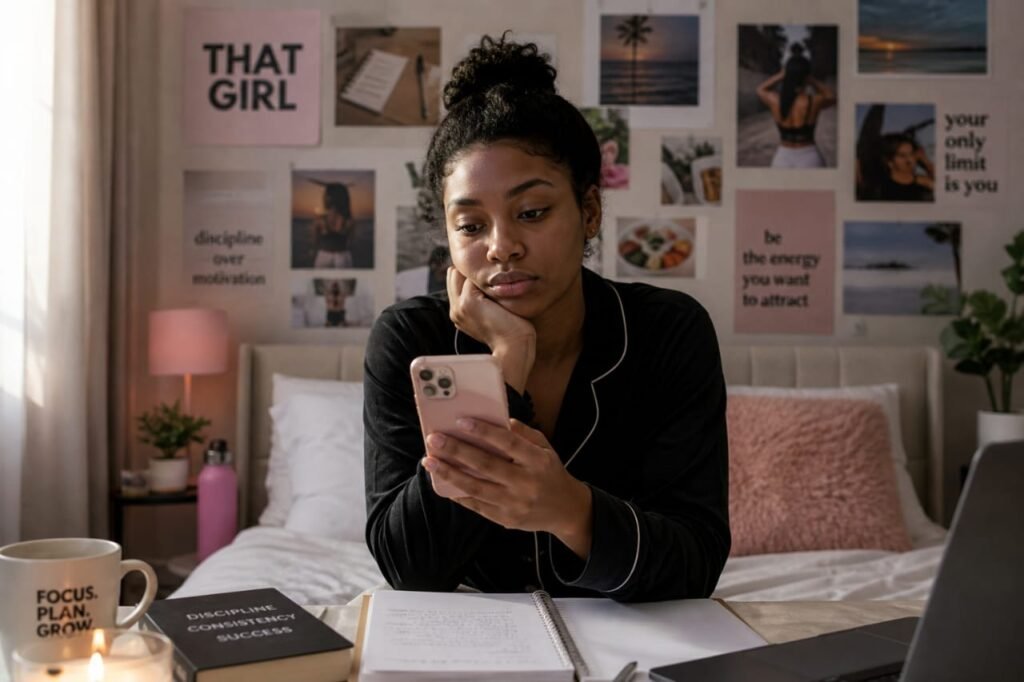
The lighting matters. The outfits matter. The location matters. Even relaxation now needs presentation. People no longer simply rest quietly. Instead, rest has become content.
Brunch is photographed. Vacations are documented. Flowers become photo shoots. Coffee shops become personality traits.
As a result, comfort now feels performative.
The pressure does not come from living well alone. The pressure comes from making sure everybody sees it happening beautifully.
Interestingly, even people who claim they are not participating in soft life culture still engage with it indirectly. Almost everyone consumes the aesthetic daily.
That exposure slowly changes expectations.
Social Media Quietly Changes Perspective
The internet has a strange way of making ordinary life suddenly feel inadequate.
A normal Saturday can feel depressing after scrolling through endless luxury content online. Someone is in Zanzibar. Another person is at a spa. Somebody else is posting candlelit dinners with captions about “choosing softness.”
Meanwhile, another person is eating noodles under a standing fan while NEPA debates their destiny.
That contrast affects people more than they admit.
In many cases, the problem is not jealousy. The real issue is comparison fatigue. Constant exposure to curated lifestyles can quietly create the feeling that everybody else has figured life out financially.
Meanwhile, many people are simply presenting selected moments, not complete reality.
Somebody Is Funding The Lifestyle
This is the question people avoid asking loudly.
Who is actually paying for all this?
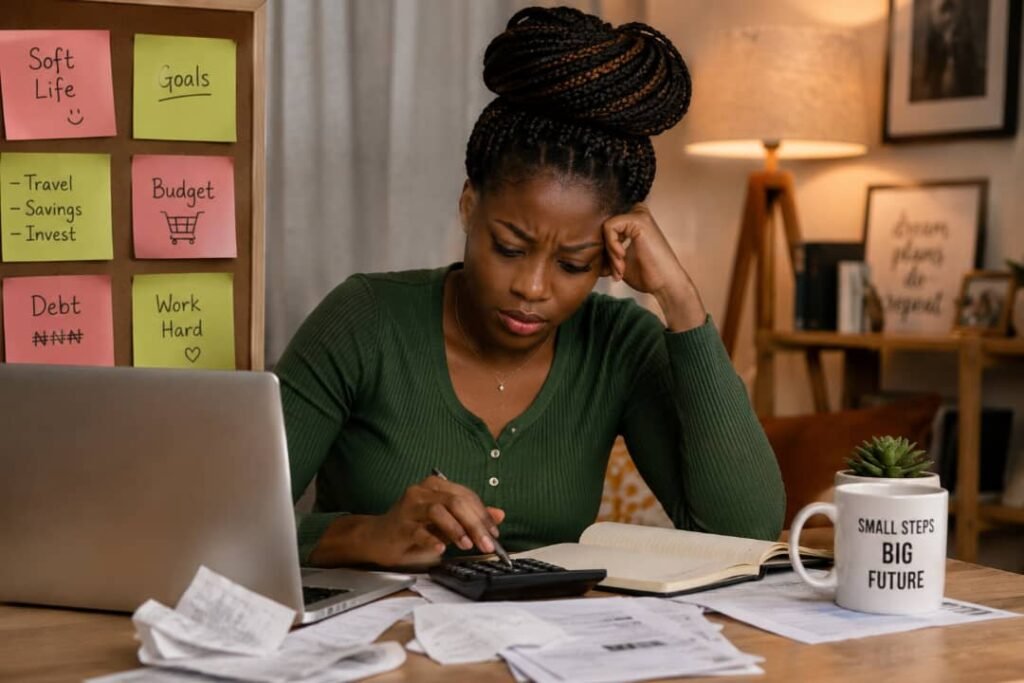
Because soft life is beautiful online, but offline, somebody is calculating expenses carefully.
That luxury apartment with mood lighting also comes with mood billing. The brunch plate designed like modern art was not emotionally affordable. The “quick trip” to Ghana definitely was not quick financially.
Behind every polished lifestyle is some form of funding structure.
Sometimes it is salary. Sometimes, it is business income. Sometimes, it is years of savings. Sometimes, it is debt wearing perfume. And occasionally, it is somebody’s generous partner sponsoring emotional peace professionally.
Either way, the lifestyle is rarely floating magically.
The Side Hustlers Are Carrying A Lot
Many soft life creators are actually working extremely hard behind the scenes.
People see calmness online. They do not always see the workload underneath it.
Some individuals work regular office jobs during the day, freelance at night, run online businesses on weekends, and still maintain aesthetically pleasing lives online.
That level of balance requires energy.
The irony is that many people funding soft lifestyles are not resting softly at all. They are simply packaging exhaustion attractively.
You see peace.
They see deadlines, invoices, client messages, and pending transfers.
Debt Also Wants To Enjoy Life
Then there are credit card optimists.
These people fully believe tomorrow will solve itself eventually.
They say things like:
“You only live once.”
Which is true.
Unfortunately, repayment schedules also live very long lives.
In many countries, soft life culture thrives heavily on credit systems. People buy luxury experiences immediately and deal with consequences later. As a result, the appearance of ease sometimes hides financial pressure quietly growing in the background.
The lifestyle looks calm publicly, while anxiety handles accounting privately.
Some People Budget Aggressively For One Good Weekend
There is also another category.
The strategic soft lifers.
These individuals understand financial reality very well. Therefore, they plan carefully. They may save aggressively for weeks simply to enjoy one beautiful experience occasionally.
For example, somebody may survive on very disciplined spending all month. Then suddenly, one Saturday arrives, and they appear at a luxury restaurant looking emotionally sponsored by old money.
Honestly, there is something admirable about that level of commitment.
Still, the internet rarely shows the sacrifice behind the aesthetic.
Influencer Soft Life Is A Different Economy Entirely
Of course, social media influencing has changed the conversation completely.
Some luxury experiences online are partially funded through partnerships, collaborations, sponsorships, or gifted experiences. Hotels invite influencers. Brands send products. Restaurants exchange meals for visibility.
The soft life remains real.
However, the funding structure behind it looks very different from ordinary life.
Unfortunately, audiences sometimes compare themselves to content that was professionally produced for marketing purposes.
That comparison can become emotionally unhealthy very quickly.
Soft Life Has Quietly Become Competitive
The strange thing is that comfort itself is no longer enough.
Now, comfort must also look impressive publicly.
People are no longer simply traveling. They are curating travel identities. Meals must appear cinematic. Bedrooms must resemble Pinterest boards. Even healing now comes with aesthetic expectations.
As a result, rest has become performance.
Some people are genuinely exhausted from trying to appear emotionally unbothered online.
Ironically, the pressure to maintain a soft life sometimes creates the exact stress the lifestyle claims to escape.
The Hidden Cost Is Not Always Financial
Money is only one part of the conversation.
Sometimes, the hidden cost is mental.
Trying to maintain a constant image of ease can become emotionally draining. People begin measuring their lives against curated internet moments. Normal experiences start feeling insufficient because they do not resemble social media content.
That pressure builds quietly.
Eventually, some individuals begin spending beyond comfort simply to avoid feeling left behind culturally.
Maybe Real Soft Life Looks Different
Perhaps the healthiest version of soft life is not endless luxury.
Maybe it is sustainability.
Maybe it means sleeping peacefully without debt panic. Maybe it means enjoying simple things without turning every experience into content. Maybe it means emotional calm without financial chaos hiding underneath it.
Unfortunately, that version does not always trend online.
The internet prefers dramatic aesthetics.
Still, real comfort should not require constant performance.
Because at the end of the day, true peace is probably less about looking rich online and more about living without silent panic offline.