
The Hidden Wounds Many African Homes Never Address
In many African homes, trauma stays quiet. It rarely shouts or breaks things. Instead, it hides in silence. Often, people say, “we don’t talk…

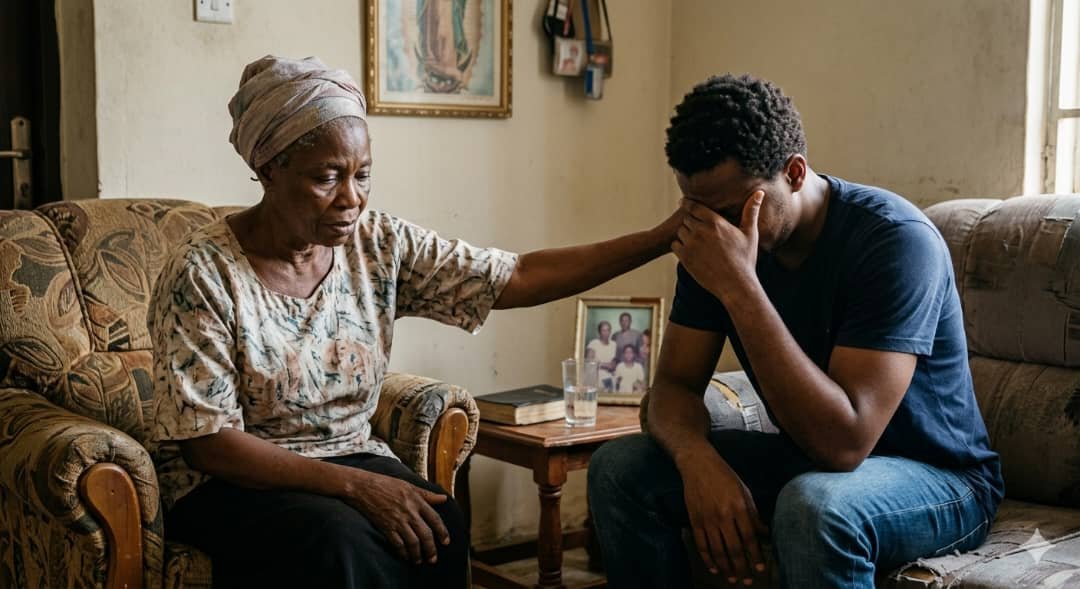
In many African homes, trauma stays quiet. It rarely shouts or breaks things. Instead, it hides in silence. Often, people say, “we don’t talk about that.” At other times, they say, “pray about it” or “others have it worse.” As a result, pain sits in the room without a name. Over time, this silence creates some of the most common hidden wounds in African homes.
From childhood, many people receive one clear message. Endure. Do not question elders or speak too much. Do not show weakness. Because of this, children learn to hide their feelings early. They stay quiet and adjust quickly. In many cases, they try hard to be “good.” As time goes on, this behavior feels normal. It grows into one of the strongest emotional effects of African parenting.
At the same time, many homes carry pressure. For instance, money problems create tension. Parents worry about bills and school fees. Meanwhile, children notice everything. However, no one explains what is happening. The house feels heavy, yet nobody speaks about it. In many situations, parents feel tired and overwhelmed. They care deeply, but life drains them. Because of this, they offer survival instead of comfort.
In addition, some homes rely on comparison. Children hear words like, “be like your cousin.” Although these words seem small, they stay for years. Gradually, they shape how people see themselves. They affect confidence and relationships. Because of this, the pattern connects to generational trauma in African families.
The difficult part is this. Many people believe it is normal. When they visit friends, they see the same patterns. Fathers remain strict. Mothers carry heavy burdens. Children grow up too fast. Since it happens often, people accept it easily. They stop asking questions. Culture hides it, and familiarity protects it.
Even now, many families avoid certain topics. For example, they do not discuss abuse, depression, or mental health. Instead, silence covers everything. However, silence does not remove pain. It pushes it deeper. Over time, it shapes behavior. People begin to struggle with trust. They avoid vulnerability. They link love with endurance. These are clear signs of unspoken trauma in African culture.
It is important to look at the root. Many parents faced hardship before raising children. They dealt with poverty, pressure, and instability. They survived difficult situations. However, pain that remains unaddressed do not disappear. Instead, it moves forward. It appears in reactions and habits. In this way, it continues across generations.
Now, things are changing. Many young Africans ask questions. They reflect on their experiences. They search for answers. Some try therapy, while others start honest conversations. As a result, awareness begins to grow. It does not remove respect. Instead, it adds understanding.
People can love their families and still admit the truth. Love existed. Effort existed. Pain also existed. All of it can be true at the same time.
When people face these patterns, they gain control. They learn better ways to express themselves. They build healthier relationships. Step by step, they break the cycle.
So, think about it. Which of these hidden wounds still affects your life today?
0 responses